Bralettes: What They Are, Who They Work For and How to Get Real Support
There is a particular kind of Saturday morning when you reach past every structured bra in the drawer and pull out the soft one. No wire, no molded cups, nothing that leaves a mark by lunchtime. For a lot of people that soft one is a bralette, and the question that follows is usually the same: can it be more than a weekend bra? The answer depends on how the bralette is built and on what you need from it, so this guide walks through both.
What is a bralette?
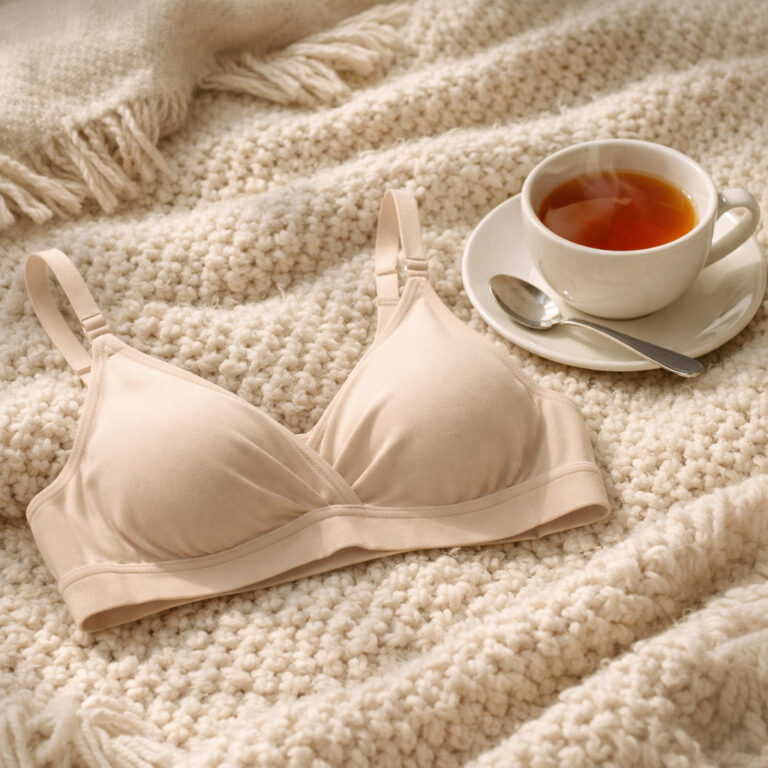
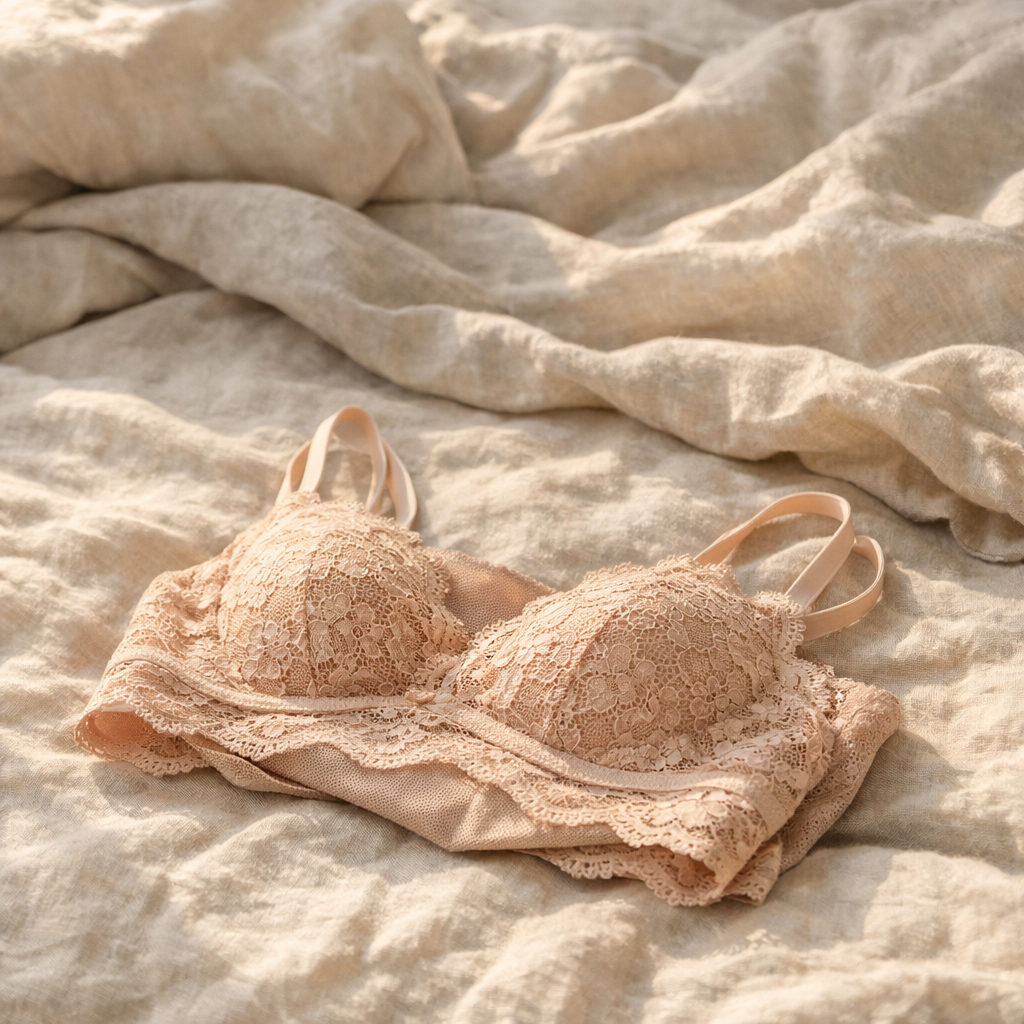
A bralette is a lightweight bra without an underwire and with little or no internal structure. Most are pulled on over the head or fastened with a simple hook-and-eye at the back, and the cups are made from the same fabric as the rest of the garment rather than from separate molded or padded pieces. Lace, cotton jersey, microfiber and mesh are the common fabrics.
The word gets used loosely in shops and on labels. Some garments sold as bralettes are really soft-cup bras with seamed cups and a proper band; others are closer to a decorative crop top. That spread is worth knowing about, because two garments with the same name can behave very differently once you wear them for a full day.
Unlined, lightly lined and padded
Bralettes usually fall into three groups based on what sits inside the cup:
- Unlined: a single layer of fabric, often lace or a thin knit. These are the lightest and most breathable, and they take on your natural shape rather than creating one. They offer the least coverage and may show through thin tops.
- Lightly lined: a second layer of soft fabric or thin mesh behind the outer layer. This adds opacity and a little smoothing without changing your shape much.
- Removable pads: thin foam inserts slipped into pockets inside the cups. They add coverage and some shaping, and you can take them out when you prefer the unlined feel. The pads can shift or fold in the wash, so many people take them out before laundering.
How a bralette differs from other soft bras
Bralettes sit at the lightest end of the wire-free family. The table below shows how they compare with the other soft styles you are likely to see side by side on a rack.
| Style | Typical structure | Support level | Usual purpose |
|---|---|---|---|
| Bralette | No wire, minimal lining, often lace or jersey | Light | Lounging, light days, layering under open necklines |
| Wireless bra | No wire, but seamed or molded cups, firmer band, side panels | Light to moderate | Everyday wear with more shaping |
| Sleep bra | Very soft knit, often pullover, minimal closures | Very light | Comfort at night |
| Low-impact sports bra | Stretch fabric, compression, wide band | Light to moderate, designed for movement | Yoga, walking, stretching |
If you need more shaping than a bralette gives but still want to skip the wire, a dedicated wireless bra is the next step up. For a wider view of how all these styles fit together, the overview of types of bras lays them out in one place.
Who bralettes tend to work for
There is no rule that says a bralette is only for one body or one cup size, and plenty of brands now make them in a wider range of sizes than they once did. Still, how comfortable you find one depends a lot on how much lift and separation you want.
Bralettes tend to suit you well if:
- You have a smaller cup size and feel comfortable without much lift or shaping.
- You find underwires dig in or press after a few hours and want a softer option for some days.
- You are at home, traveling or doing light errands and comfort matters more than a smooth line.
- You like the look of a lace band or strap showing at the edge of a wide neckline or under a loose top.
They may feel less supportive if you have a fuller bust and want lift, separation or a rounded shape under fitted clothing. That does not mean a bralette is off the table; it means you should look for the construction features described below rather than the lightest, prettiest option on the rack.
A quick word on pregnancy, nursing and any discomfort or pain: a soft bra can feel good during those times, but if something hurts or changes suddenly, that is a question for a doctor or midwife rather than a bra guide.
How to get support without an underwire
Since there is no wire to hold the cups in place, a bralette relies on its band, its fabric and its seams. When you compare two that look similar, these are the details that make the difference.
A wide, firm band
In any bra, the band does most of the supporting work, and that is even more true without a wire. Look for a band that is at least an inch or so deep and made from a firm elastic, not just a thin trim of lace. A band that sits level and snug around your ribcage keeps the whole garment from riding up.
Seamed or shaped cups
A flat triangle of lace will hold very little. A cup made from two or three pieces sewn together has some built-in curve, so it contains and shapes rather than just covering. Some fuller-bust bralettes also use a vertical seam with a stiffer fabric on the lower half of the cup.
Lined lower cups and side panels
Some styles add a second layer of firm mesh along the lower part of the cup or along the sides. Those panels guide tissue forward and toward the center without any wire involved. You can usually spot them by turning the bralette inside out.
Wider, adjustable straps
Thin decorative straps look delicate but cannot carry much. If you want more support, choose straps you can adjust and that are wide enough not to dig in. Racerback and crossback designs can help keep straps from sliding off your shoulders.
Back closure versus pullover
A pullover bralette is simple and smooth, but it must stretch enough to go over your head and shoulders, which limits how firm the band can be. A hook-and-eye closure lets the band be firmer and gives you a few settings to adjust as the elastic relaxes over time.
Sizing: small, medium, large or band and cup?
Many bralettes are sold in letter sizes, such as S, M and L, rather than band and cup sizes. Each letter covers a range of band and cup combinations, and that range varies from one maker to the next. If you know your measurements, the size chart printed with the garment is the best guide; if you need a refresher, the walkthrough on how to measure bra size covers the basics.
A few fit checks are useful whichever system the label uses:
- The band stays put. Raise your arms overhead. If the band rides up toward your shoulder blades, it is too loose or the size is too big.
- The cups contain you. There should be no spilling over the top edge or at the sides, and no large wrinkled gaps.
- The straps are not doing all the work. If you need to tighten the straps hard to feel supported, the band is likely too loose.
- Nothing digs. Lace edges and elastic should lie flat without leaving deep marks after a few hours.
Because letter sizes cover ranges, someone at the edge of a range can find one size too tight in the band and the next too loose in the cup. If that happens, try a bralette sold in band and cup sizes instead.
Wearing bralettes day to day
Bralettes can be the bra you wear all day or a supporting player you reach for on specific days. A few practical notes:
- Under thin tops, unlined lace can show its texture. A lightly lined bralette, or one in a smooth knit, sits more discreetly under fitted cotton.
- For layering, some people like a lace band showing at the edge of a loose sweater or wrap top. That is a style choice rather than a fit one.
- For exercise, a bralette is not designed for running or jumping. Even gentle activity is usually more comfortable in a sports bra made for it.
- For sleep, a soft bralette is one of the more common choices, though many people prefer nothing at all. Comfort is the only test that matters there.
Caring for a bralette
Lace and fine elastic wear out faster with heat and agitation. Hand washing in cool water, or a gentle cycle inside a mesh laundry bag, keeps the band elastic and the lace edges intact longer. Lay them flat to dry rather than putting them in the dryer, and take out any removable pads first so they do not fold or crease. The full routine is in the guide on how to wash bras.
Bralettes stretch with wear, and since many have no adjustable band, there is less room to compensate. If the band starts riding up even on a fresh wash, that is usually the sign it has given what it can.
Where to go next
If you want a little more structure without a wire, read the guide to wireless bras and how they support. For more soft, practical everyday options, browse the Everyday Comfort section.