Nursing Bras: Clip Types, Styles, Sizing and Sleep Bras
At three in the morning, holding a hungry baby in one arm, the last thing you want is a bra that needs two hands and a mirror to open. I learned that with my first child, after buying a pretty bra with fiddly little hooks that I never wore once the baby arrived. A nursing bra is one of the few pieces of clothing whose whole design comes down to one question: can you open it, and close it again, quickly, quietly and with one hand?
This guide covers how nursing bras are constructed, the different ways they open, when people tend to buy them, and what to wear at night.
What makes a nursing bra different
A nursing bra is a bra designed so that each cup can be opened, folded down or moved aside for breastfeeding or pumping, without taking the whole bra off. Most share a few traits beyond the opening itself:
- Soft, stretchy cups that can accommodate changes in fullness through the day.
- A wider, softer band with several rows of hooks, so you can adjust as your ribcage settles after birth.
- An inner sling or frame that stays in place when the cup is lowered, holding the bra in position and supporting the rest of the breast.
- Room for breast pads, often with a lined cup so pads stay put.
- Wire-free or flexible-wire construction in many designs.
On wires: you will find conflicting advice. Some sources say underwire is fine once you are fitted correctly; others suggest wire-free styles, especially in the early weeks when size changes are most likely. The safest approach is to ask your midwife or a lactation consultant what they recommend for you, and in any case avoid anything that presses hard into the breast tissue. If you notice tender spots, lumps or redness, that is a question for them, not for a different bra.
Nursing bra clip types
The clip is where most of the day-to-day difference lies. These are the common types:
Strap clips
The most common design. A clip where the strap meets the top of the cup lets the cup unhook and fold down. Variations include:
- Push-button or snap clips that release when pressed and click back into place. Usually the easiest to use with one hand.
- Hook clips, a small hook through a loop. Secure, but they often take a bit more practice to refasten one-handed.
- Magnetic clips, found on some designs, which pull together when brought near each other.
When you try one on, practice opening and closing it with your non-dominant hand. That is the hand you will often be using while holding the baby.
Front or center clips
Some bras clip at the center front rather than at the straps, with each cup unhooking toward the side. These can be easier for people who find reaching up to the strap awkward.
No clips at all
Pull-aside and crossover styles skip hardware entirely, which brings us to the next distinction.
Drop-down vs pull-aside nursing bras
Every nursing bra uses one of two basic approaches to give access.
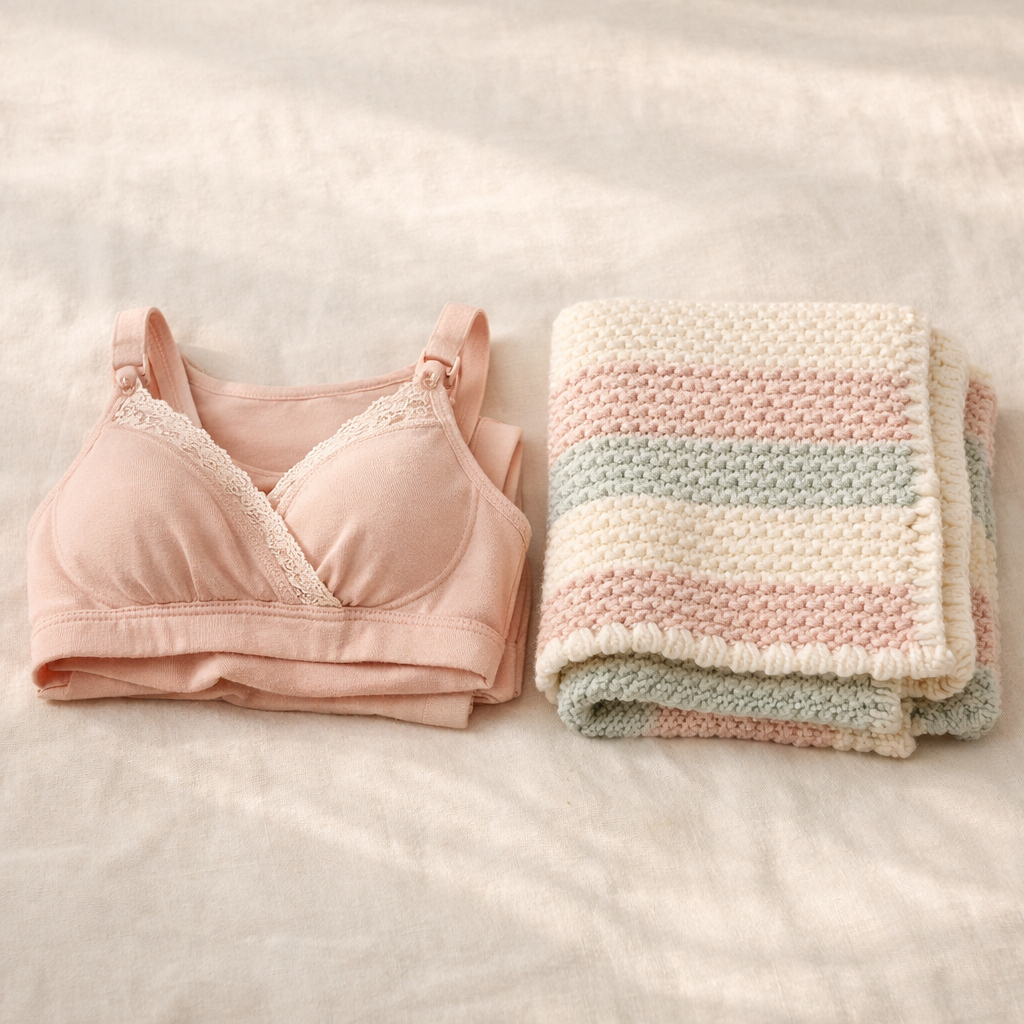
Drop-down bras have cups that unclip and fold down, usually from a strap clip. They look and fit much like an everyday bra, offer more structure and support, and are the usual choice for daytime wear and for fuller busts.
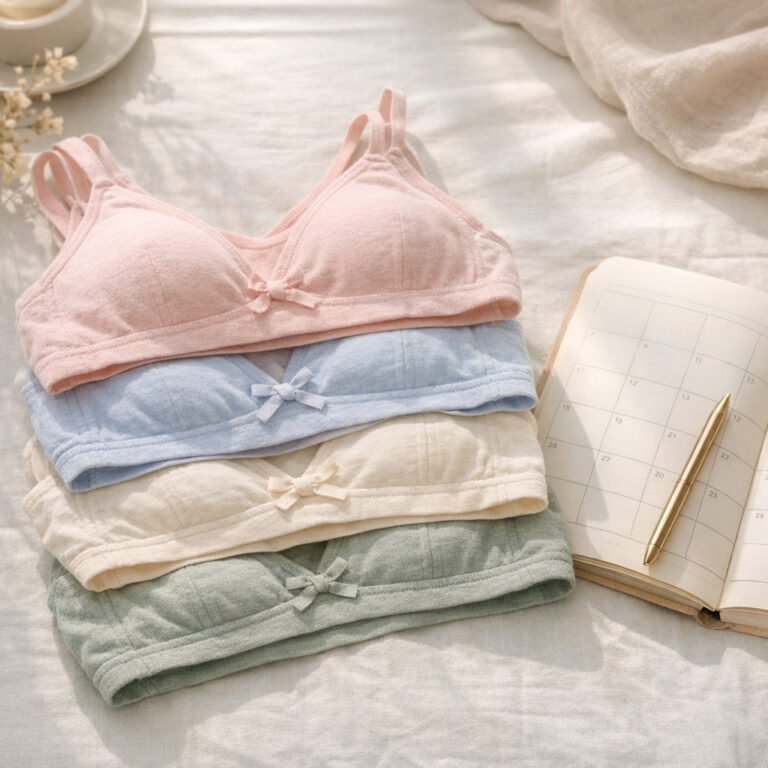
Pull-aside bras have no clips. The cups either cross over at the front, like a wrap top, or are cut so the fabric can simply be moved to one side. They are soft, simple and comfortable to sleep in, but generally offer less support.
| Feature | Drop-down (clip) | Pull-aside (crossover or stretch) |
|---|---|---|
| How it opens | Cup unclips and folds down | Fabric is moved aside |
| Hardware | Strap or front clips | None |
| Support level | Moderate to firm | Light |
| Sizing | Often band and cup | Often S, M, L |
| Best suited to | Daytime wear, fuller busts | Nights, lounging, smaller busts |
| Things to check | One-handed clip use, inner sling | Enough stretch to move easily, fabric recovery |
Other nursing bra styles
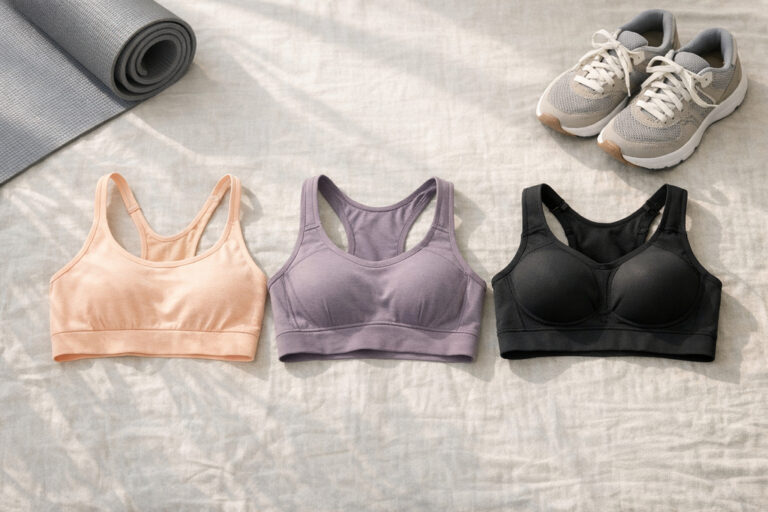
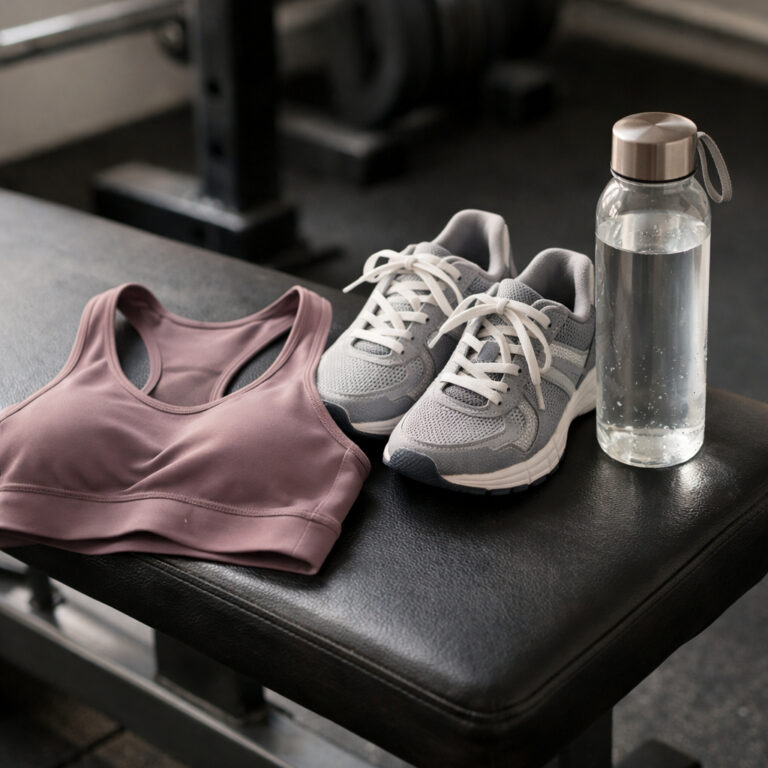
- Nursing sports bras use clip-down cups on a supportive sports frame, for exercise once your doctor or midwife has said it is fine to return to it.
- Pumping bras, or bras with pumping openings, hold breast pump flanges in place so your hands are free. Some are designed to be worn over or as part of a nursing bra.
- Nursing tank tops and camisoles have a built-in nursing bra and a top layer that unclips with it, which some people find easier for discreet feeding in public.
When to buy a nursing bra
Timing advice varies, but a common suggestion from fitters and breastfeeding organizations is to buy your first nursing bras in the later weeks of pregnancy, often around 36 weeks. By then, much of the change that happens during pregnancy has already taken place, and you still have time to get fitted before the baby arrives.
Even so, size often shifts again after birth, particularly in the first days and weeks as feeding gets established. Many people find it practical to:
- Buy two or three nursing bras late in pregnancy, choosing soft, stretchy cups that can handle some change.
- Use the loosest hook at first, so the band can tighten as your ribcage returns closer to its pre-pregnancy size.
- Wait until things settle, often a few weeks after birth, before buying more structured styles.
How sizing tends to change through pregnancy is covered in more depth in maternity bra sizing. And if you want a refresher on the basics, how to measure your bra size at home walks through it step by step.
Fit checks for a nursing bra
Many of the usual fit rules still apply, with a few additions:
- The band should feel secure on the loosest hook, so you have room to tighten later.
- The cups should hold everything without cutting in at the top edge, and leave a little room for a breast pad and for fuller moments in the day.
- The clip should open and close easily with one hand.
- The inner sling should stay in place and feel comfortable with the cup down.
- Nothing should press hard into the breast, whether it is an edge, seam or wire.
The general signs of a poor fit, such as a riding band or gaping cups, are listed in signs your bra does not fit.
Fabric and comfort
You will be wearing a nursing bra for long stretches, often through warm, sleepless and sometimes damp days, so fabric deserves as much attention as the clip. Soft cotton and cotton blends feel gentle and breathe well. Modal and similar soft fibers are smooth and stretchy. Some daytime styles use a lightly molded cup that keeps its shape under clothes and hides the outline of a breast pad. Whatever you choose, check the inside of the cup for seams or edges that could rub, and look for a fabric that recovers its shape after you stretch it.
Sleep bras and night feeds
Some people sleep in a bra in the early months, mainly to hold breast pads in place and for a bit of comfort. Others prefer not to wear one at all. There is no rule either way; it comes down to what feels comfortable for you.
If you do want something for nights, look for:
- A pull-aside or crossover design with no clips or wires
- Soft, breathable fabric, often cotton or a cotton blend, or a soft modal
- Flat or minimal seams and no hardware at the back
- Enough stretch to accommodate changes overnight
Sleep bras offer very light support, so they are not usually a substitute for a daytime nursing bra.
How many nursing bras you need
Leaks, spit-up and frequent washing mean nursing bras get changed often. Three is a common starting point: one to wear, one in the wash and one spare. Add a sleep bra or two if you plan to wear one at night. It is usually better to start small and buy more once you know what works for you.
Wash them gently and air-dry to look after the elastic, and keep the clips fastened in the wash so they do not snag other fabrics. Heat is hard on elastic, so skip the dryer when you can.
Finally: if feeding hurts, if you have questions about supply, or if you notice redness, heat, a hard lump or feel unwell, contact your doctor, midwife or a lactation consultant. A bra can make you more comfortable, but it cannot fix a feeding problem.
Where to go next
For how sizes tend to change before birth, read maternity bra sizing, or browse more guides in Sports & Nursing.