Maternity Bra Sizing: How Sizes Change and How to Plan Purchases
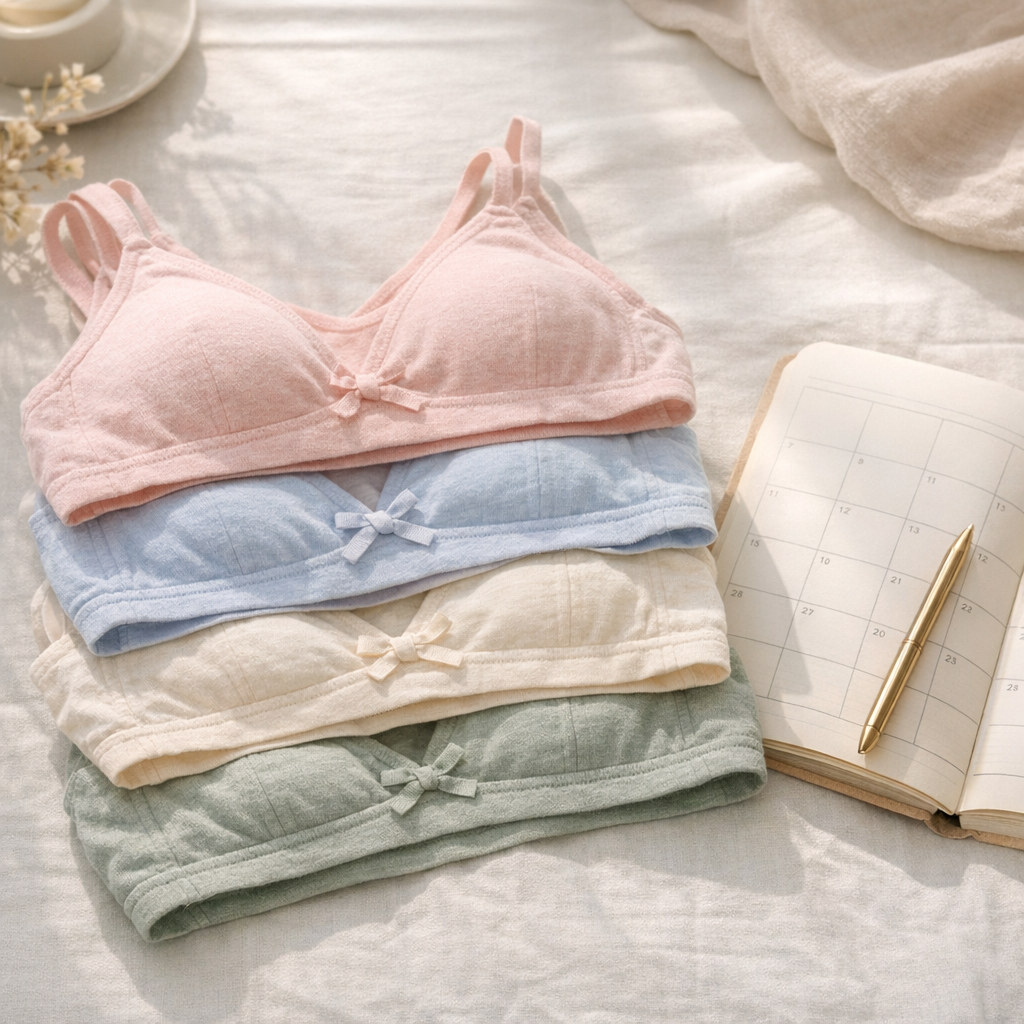
Around the time I told my family I was expecting my first child, my favorite bra started to feel like it belonged to someone else. The band was fine one week and tight the next; the cups that had fit for years suddenly did not. I bought a new bra, outgrew it within a couple of months, and bought another. By the second pregnancy I had learned to plan instead of reacting, and a well-chosen maternity bra or two made the whole thing far less frustrating.
This guide covers what tends to change, why sizes are hard to predict, and how to spread purchases out sensibly. It is general fit information only. Every pregnancy is different, and anything that worries you about your body belongs with your doctor or midwife.
Why bra size changes during pregnancy
Two different things change, and they do not always change at the same pace.
The cups. Breast changes are often among the early signs of pregnancy. Many people notice tenderness and fullness in the first weeks, and growth can continue through the pregnancy. Some people go up one cup size or more; others notice very little change. There is no reliable way to predict which group you will be in.
The band. As pregnancy progresses, the ribcage tends to expand to make room for the growing baby and changes in breathing. That means a band that was snug before pregnancy may start to feel tight, often later on, even if your cup size has not changed much. After birth, the ribcage often moves back toward its earlier size, though not necessarily all the way, and not on a set timetable.
Because the band and cup can change independently, you might need a larger band with the same cup volume, or the same band with a larger cup. If you are not sure how band and cup relate, bra sister sizes explains how the cup letter shifts as the band changes.
How sizing tends to change, stage by stage
The timeline below describes common patterns, not rules. Your own experience may look quite different, and that is normal.
| Stage | What people often notice | What tends to help |
|---|---|---|
| First trimester | Tenderness and fullness; cups may start to feel snug | Soft, stretchy or wire-free styles; avoid stocking up yet |
| Second trimester | Cups and band may both grow; existing bras may stop fitting | A first proper maternity bra fitting; fit on the tightest hook so there is room to loosen |
| Third trimester | Band often feels tighter as the ribcage expands; sizes may settle for a while | Band extenders, softer bras for comfort; first nursing bras if you plan to breastfeed |
| First weeks after birth | Size can change quickly, especially if breastfeeding | Stretchy nursing or sleep bras; avoid buying many structured styles |
| Later postpartum | Size often settles, though it may not match your pre-pregnancy size | A new measurement and fitting before buying more structured bras |
What to look for in a maternity bra
A maternity bra is designed to stay comfortable while your size is changing. The features that matter most:
- Several rows of hooks and eyes, often four or more, so the band can loosen as you go.
- Soft, stretchy cups that accommodate some growth rather than a rigid molded shape.
- Wire-free or flexible wire construction. Many people find wire-free more comfortable during pregnancy. Advice on wires varies, so ask your midwife if you are unsure, and avoid any bra that presses into breast tissue.
- Wide, adjustable straps that spread weight comfortably over the shoulders.
- Breathable fabric, such as cotton, cotton blends or soft modal, since many people feel warmer during pregnancy.
- A wider band and side panels for more support without needing a very tight fit.
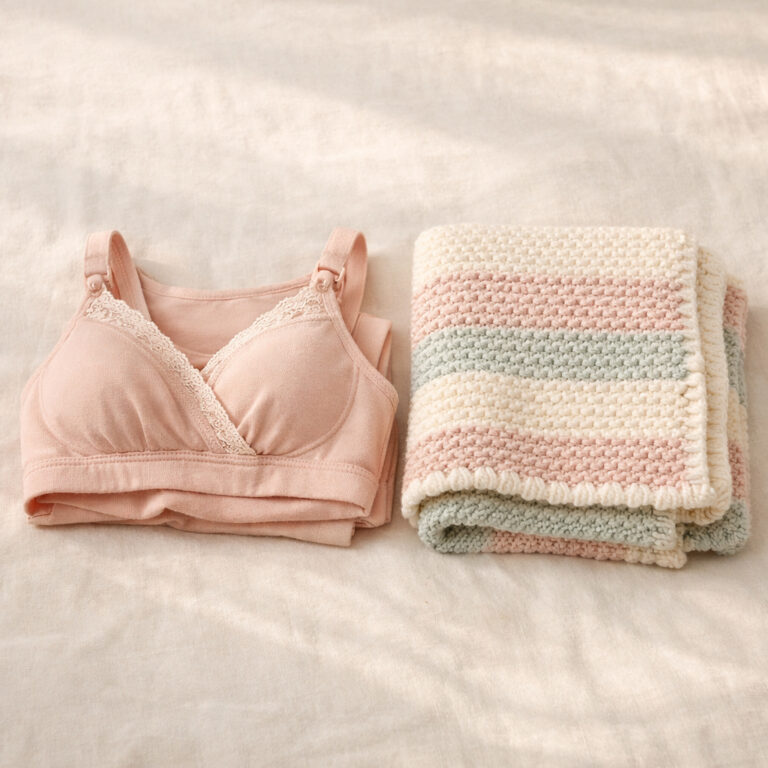
Many maternity bras also have nursing clips, which means one bra can carry you from late pregnancy into breastfeeding. If you plan to breastfeed, that can save buying twice. The details of clips and opening styles are in nursing bras explained.
If you mostly want comfort rather than structure, a soft wireless style may be all you need at some stages, particularly early on and at night.
Maternity bra or nursing bra?
The two terms are often used interchangeably, and in practice many bras are sold as both. The difference is in purpose. A maternity bra is built for comfort and adjustability while your size is changing during pregnancy. A nursing bra adds a way to open each cup for feeding or pumping. Every nursing bra can be worn in pregnancy, but not every maternity bra has nursing clips.
If you are not planning to breastfeed, a plain maternity bra without clips is simpler and often has a smoother line under clothes. If you are, choosing clip styles from the start means the bras you buy in pregnancy can keep working afterward, as long as they still fit.
Fit checks during pregnancy
The usual fit rules still apply, with one important adjustment: think about room to grow.
- Band: when buying during pregnancy, fit on the tightest hook. That leaves the looser settings for later. If you are buying near the end of pregnancy for use after birth, the opposite applies: fit on the loosest hook, because the band will likely need to tighten as your ribcage settles.
- Cups: look for smooth coverage with no cutting in at the top edge. A little stretch is better than a cup that is perfect today and too small next month.
- Straps: secure without digging in. If they are carrying most of the weight, the band is probably too loose.
- Comfort: a maternity bra should feel easy to wear for a full day. Anything that leaves deep marks or makes you want to take it off by lunchtime is the wrong size or style.
Re-measuring every so often helps. Use the same method each time, as described in how to measure your bra size at home, and treat the result as a starting point for trying bras on.
Band extenders: a small, useful tool
A band extender is a short strip with extra hooks and eyes that clips onto the back of your existing bra, adding length to the band. When the cups of a bra still fit but the band has become tight, an extender can keep it in use for longer. They are inexpensive, widely available and worth having on hand, particularly in the later months.
An extender only helps the band. If the cups are too small, it will not fix the fit.
A practical buying plan
There is no perfect schedule, but this approach helps avoid buying sizes you outgrow quickly:
- Early pregnancy: if your current bras start to feel uncomfortable, switch to soft, stretchy wire-free bras you already own, or one or two new ones. Hold off on buying a full set.
- When your regular bras stop fitting: get measured and buy two or three maternity bras, fitted on the tightest hook. Choose styles with nursing clips if you plan to breastfeed and want to use them later.
- Later pregnancy: add a band extender if the band tightens but the cups still fit. Many people buy their first nursing bras toward the end of pregnancy.
- After birth: rely on soft, stretchy nursing or sleep bras while your size settles.
- Once things stabilize: get measured again before investing in more structured bras.
Buying in small batches costs a little more in trips to the fitting room, but usually less overall than stocking up on a size that only fits for a few weeks.
How many to buy at once
Two or three bras in your current size is usually enough at any one stage: one to wear, one in the wash and a spare. Add a soft sleep bra if you find you want some light support at night. Washing gently and air-drying helps the elastic last through the months you need it, and rotating between bras gives each one time to recover between wears.
A note on comfort and health
Tenderness and changes in size are common in pregnancy, and a comfortable, well-fitted bra can make day-to-day life easier. But a bra is not a treatment for anything. If you notice pain that does not settle, a lump, skin changes, discharge, redness or warmth, contact your doctor or midwife rather than changing your bra. The same applies after birth: questions about breastfeeding, supply or soreness are best answered by a midwife or lactation consultant.
And try not to compare your experience with anyone else’s. How your size changes depends on many factors, and there is no single normal.
Where to go next
If you plan to breastfeed, continue with nursing bras, or find more guides in Sports & Nursing.