How Often to Replace Bras: Wear Signs and How Rotation Helps
A few years ago I pulled out the bra I had worn most often that winter and fastened it on the tightest hook for the first time. It still felt loose. The fabric looked fine, the color had barely faded, and I had been wearing it without a second thought. But it had quietly stopped doing its job. That is the tricky thing about deciding how often to replace bras: they rarely fall apart in an obvious way. They wear out slowly, and the signs are easy to miss until you know where to look.
Is there a set answer to how often to replace bras?
You will often see a timeline quoted, commonly somewhere between six months and a year for an everyday bra. Treat that as a rule of thumb, not a standard. I have not found any independent testing behind a specific number, and it cannot account for the variables that actually matter:
- How often you wear it. A bra worn four days a week ages far faster than one worn once a week.
- How you wash and dry it. Hot water, chlorine bleach and the dryer all shorten the life of elastic.
- What it is made of. Heavier, firmer bands and sturdier fabrics generally outlast very light, delicate ones.
- What you do in it. Sports bras take repeated stretching and frequent washing, so they tend to wear faster than everyday bras.
- Changes in your body. Weight changes, pregnancy, nursing and simply the passage of time can make a bra that is in perfect condition the wrong size.
So instead of a date, use the bra itself as the guide. The checks below take about two minutes.
The band: the first thing to check
Most of a bra’s support comes from the band, not the straps, and the band is where wear usually shows first. That is because the band relies on elastic, and elastic slowly loses its ability to spring back.
When a bra is new, the usual advice is to fasten it on the loosest hook. As the elastic relaxes over time, you move to the middle and then the tightest hook to keep the same snug fit. If you are already on the tightest hook and the band still rides up your back or feels like it could slide around, the elastic has done all it can. For more on how a band should feel, see my colleague’s guide to signs your bra does not fit.
Other band signs to look for:
- A wavy or rippled edge where the elastic has lost tension.
- A crackling sound when you stretch the band, a sign the elastic fibers are breaking down.
- Stretch that does not recover: pull the band gently and let go. A healthy band snaps back; a tired one stays a little longer than before.
Straps, cups, wires and hooks
Straps
If you have tightened the straps as far as they go and they still slip off your shoulders, the strap elastic has probably stretched out. Fraying, a split in the elastic or a cracked adjuster slide are clear signs too. Some straps can be replaced if you sew, but strap problems often arrive alongside a worn band.
Cups
Molded cups can develop dents, creases or a wrinkled lining that will not smooth out. Stretch lace and knit cups can go baggy. If the cups have started to gap or pucker where they did not before, and your size has not changed, the fabric may have stretched. If the cups now feel too small or are cutting in, it may be a sizing change rather than wear.
Underwire
A wire that has poked through its channel is the most obvious end-of-life sign, and an uncomfortable one. A bent wire, or one that has started to dig in where it never did before, is another.
Hooks and fabric
Bent or missing hooks, loose stitching, pilling, holes, and fabric that has gone thin or shiny from wear all suggest a bra is near the end of its useful life.
A quick replacement checklist
| Part | Sign of wear | What it usually means |
|---|---|---|
| Band | Loose even on the tightest hook; rides up the back | Elastic worn out; time to replace |
| Band | Wavy edge, crackly feel, slow to recover | Elastic breaking down |
| Straps | Slipping when fully tightened; fraying | Strap elastic stretched; replace straps or bra |
| Cups | Dents, creases, baggy fabric | Cup material worn or misshapen |
| Underwire | Poking through, bent, newly digging in | Structural damage |
| Hooks and fabric | Bent hooks, holes, thin or pilled fabric | General end of life |
| Whole bra | Fits differently but looks fine | Possibly a size change; consider re-measuring |
When the problem is size, not wear
It is worth separating the two. A bra in good condition can still stop fitting. If several of your bras start to feel wrong around the same time, especially newer ones, a size change is the more likely explanation. Re-measuring is a good first step; the guide to measuring your bra size at home walks through it. During pregnancy and nursing, sizes can change quickly and more than once, which is covered in the posts on maternity and nursing bras.
If a bra causes pain, rather than simply feeling loose or worn, that is a different matter. Persistent discomfort is worth mentioning to a doctor rather than just solving with a new purchase.
How rotation makes bras last longer
The single best way to stretch the time between replacements is to stop wearing the same bra day after day. Elastic needs rest. After a day of being stretched, it benefits from time off to recover before it is stretched again. Giving each bra at least a day off between wears is a widely shared piece of lingerie-care advice, and in my experience it makes a noticeable difference.
A rotation does not have to be large. Here is a simple way to think about it:
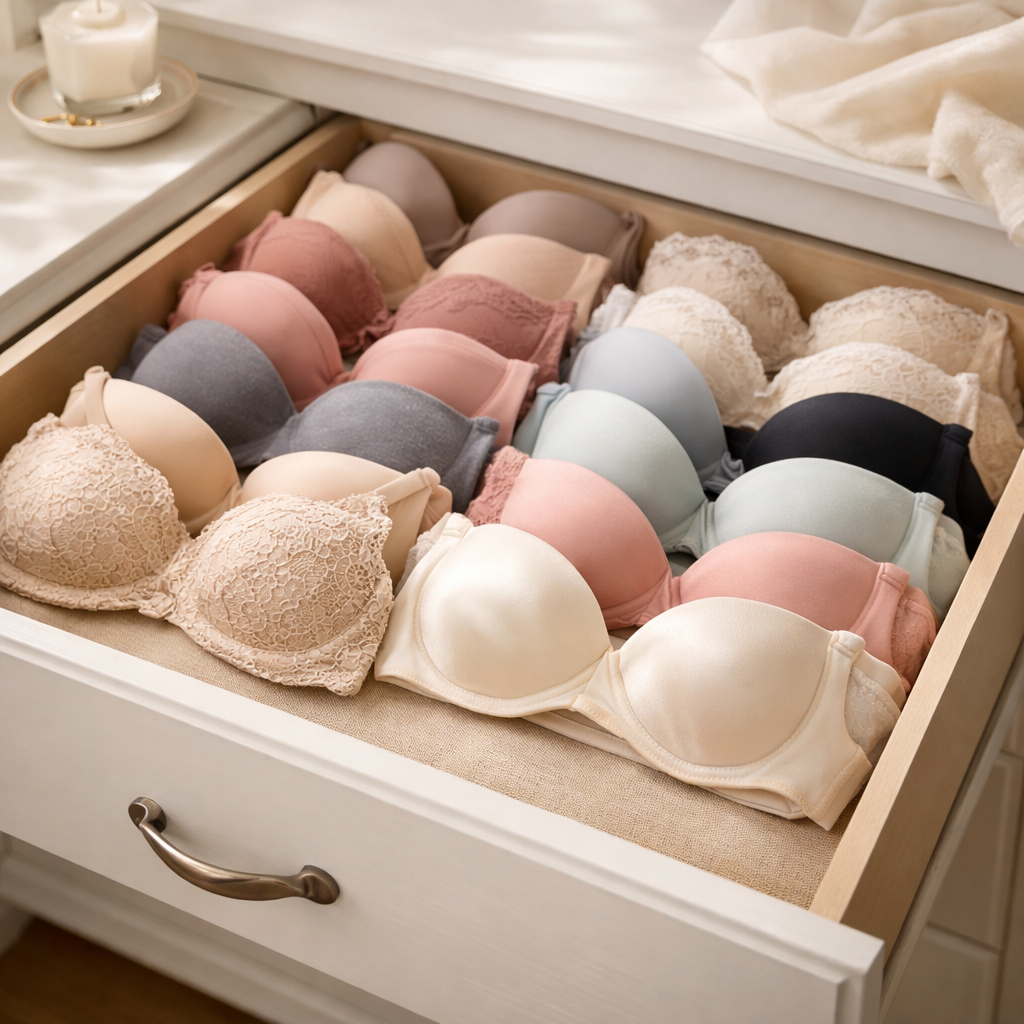
- Three everyday bras is a practical minimum for most people: one on, one resting, one in the wash.
- Add specific-purpose bras as needed: a sports bra or two if you exercise regularly, a strapless or convertible one for certain outfits, and something soft for lounging or sleeping if you like to wear one.
- Actually rotate. It is easy to keep reaching for the favorite. Putting the most recently worn bra at the back of the drawer is an easy fix.
Rotation also spreads washing evenly, so no single bra takes all the wear from the machine.
Other habits that extend a bra’s life
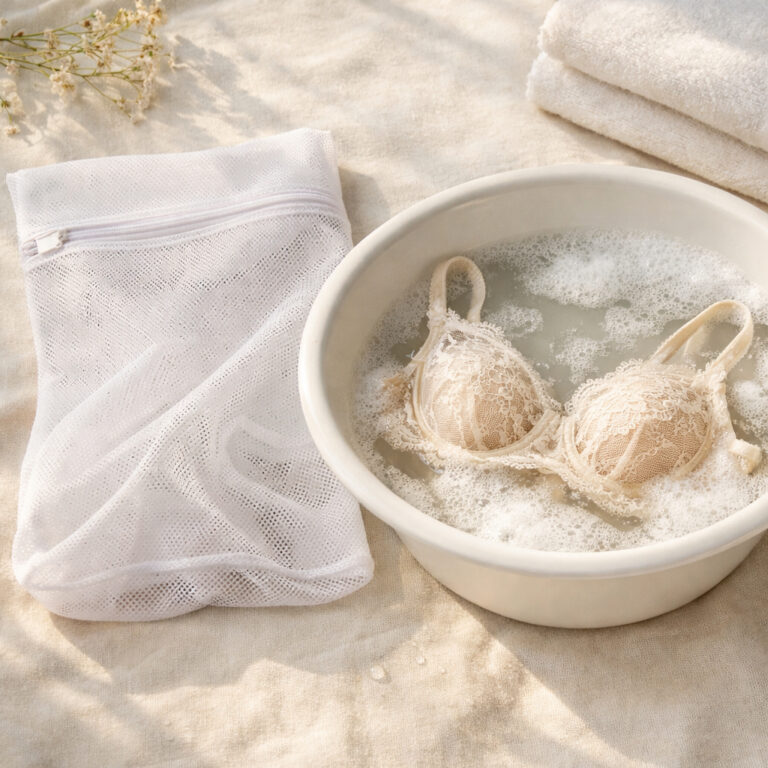
- Wash gently and air dry. Cool water, mild detergent and no dryer protect elastic more than anything else you can do. The full method is in how to wash bras.
- Use the hooks in order. Start on the loosest hook and only move tighter as the band relaxes.
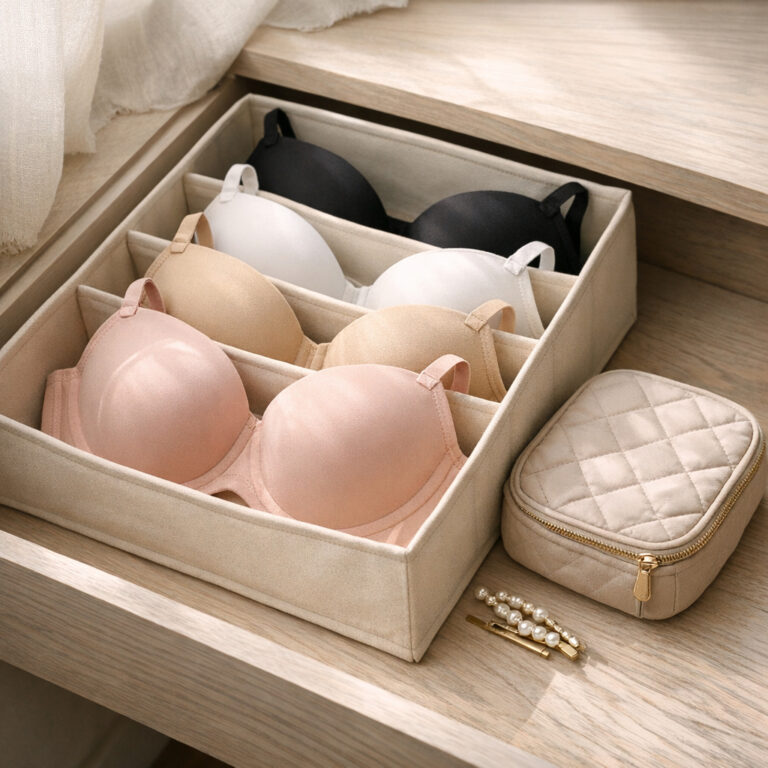
- Store carefully. Folding one molded cup inside the other dents it. Keeping cups nested in their natural shape helps.
- Fasten the hooks before washing so they do not snag the fabric.
- Take it off properly. Undo the hooks rather than pulling the bra over your head or twisting it around, which strains the band.
Sports bras, nursing bras and special-occasion bras
Different kinds of bras age at different speeds. Sports bras are stretched hard and washed after almost every wear, so they tend to lose their hold sooner than everyday bras; if one no longer feels firm during the activity it was bought for, it has done its time. Nursing bras get heavy daily use for a relatively short period, and sizes can shift during that time, so fit changes are as common as wear. Special-occasion bras, such as a strapless worn a few times a year, may look new for years, but elastic and silicone grip strips age even in a drawer, so give them a quick check before an event.
What to do with old bras
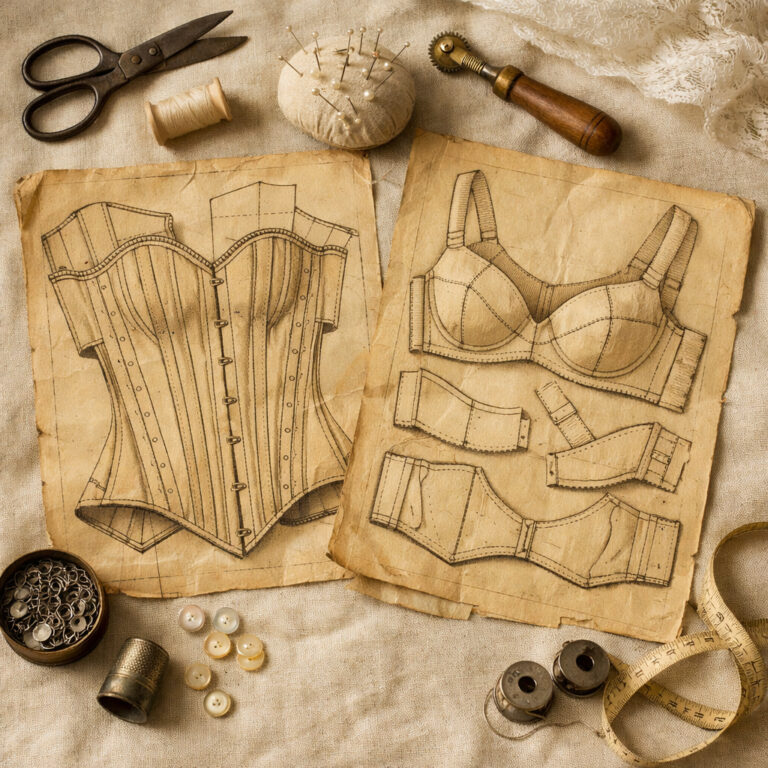
Once a bra is past wearing, the hardware can sometimes be salvaged. If you sew, wires, hooks, rings and slides are worth keeping for repairs and alterations. Some textile recycling programs accept worn underwear and bras, though what is accepted varies widely by area, so check with your local recycling service before dropping anything off.
The short version
There is no expiry date printed on a bra. Instead of counting months, check the band first, then the straps, cups and wires, and replace a bra when it can no longer give you a snug, comfortable fit on its tightest hook. A rotation of at least three everyday bras, gentle washing and no dryer will usually stretch that time out considerably.
Where to go next
To make your current bras last, read how to store bras. If you suspect your size has changed, start with the bra size chart guide.